Your anxiety looks like competence.
That’s why no one, including you, has called it anxiety.
If you look like you have it together but feel anxious, on edge, or not quite like yourself since becoming a mom, you're not imagining it, and it's not a personality flaw.
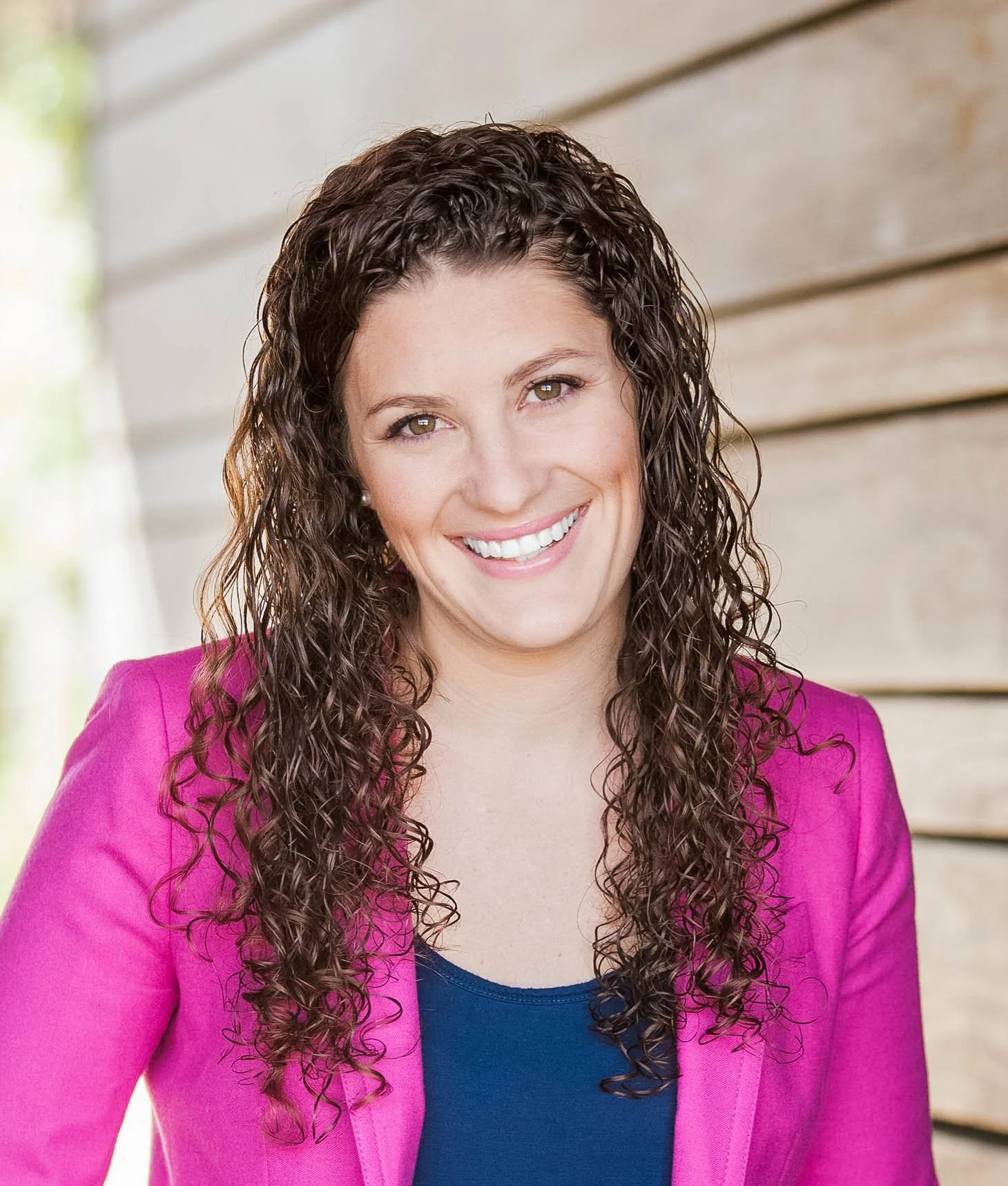
I'm Hannah Castle, a licensed therapist in Houston, TX and Connecticut, specializing in postpartum anxiety, high-functioning anxiety in moms, and matrescence, the identity shift no one warns you about.
Virtual sessions available in both states.
You handle it. All of it.
You're the one who remembers the pediatrician appointments, keeps the fridge stocked, holds the whole family calendar in your head, and still shows up looking like none of it is hard.
From the outside, that looks like you're thriving. From the inside, it can feel like you're one dropped ball away from falling apart, and because you're still functioning, it never occurs to you, or anyone else, to call it anxiety.
It has a name. It's treatable. And it's not a flaw in your character, it's what happens when a woman keeps performing calm long after her nervous system stopped feeling it.
Maybe you look fine but feel like you're unraveling.
You're getting everything done — work, kids, the house, everyone else's needs — and still lying awake running through everything that could go wrong. High-functioning anxiety doesn't look like falling apart. It looks like you, still doing it all, just silently exhausted by it.
Maybe you don't recognize who you've become since having kids.
The version of you that existed before motherhood feels far away, and you don't know how, or if you can, get her back. This shift has a name: Matrescence. Understanding it is often the first real relief.
Maybe your patience runs out faster than it used to.
The snapping, the short fuse, and then the guilt that follows it. Mom rage is one of the least talked-about and most common symptoms of postpartum anxiety. You're not a bad mom. You're overloaded.
I'm Hannah.
I specialize in postpartum anxiety, high-functioning anxiety, and the identity shift of new motherhood, because I've watched, over and over, how good women mistake "still functioning" for "doing fine."
Before I worked with moms, I spent years working with children and families through anxiety, trauma, and behavioral struggles in schools and treatment settings, and I kept seeing the same pattern: kids did better when their parents got real support, not just advice.
Having my own daughters made it personal. I started this practice because the support available to mothers didn't match what mothers actually need.
How can I help?
Therapy for Moms Individual therapy for postpartum anxiety, high-functioning anxiety, and matrescence, the identity shift of new motherhood. Virtual, in Texas and Connecticut
Parent Coaching For parents who want to get on the same page as each other, set boundaries that hold, and build a stronger relationship with their kids. Virtual, in Texas and Connecticut.
Circle of Security-Parenting Group work on building secure, lasting attachment with your children. In person, in Texas.
Parenting Workshops In person workshops for Houston parents on raising love, connection and boundaries.